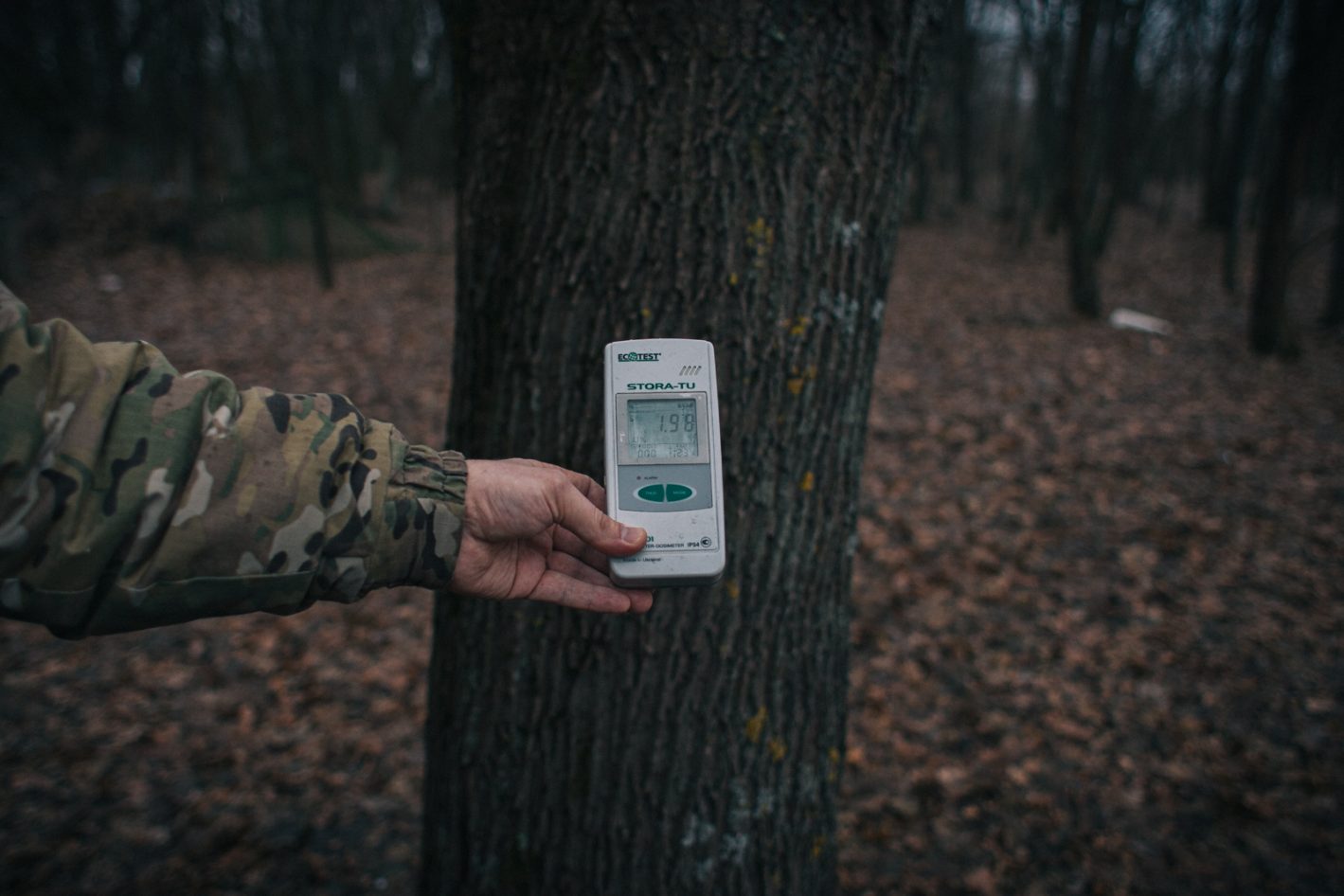
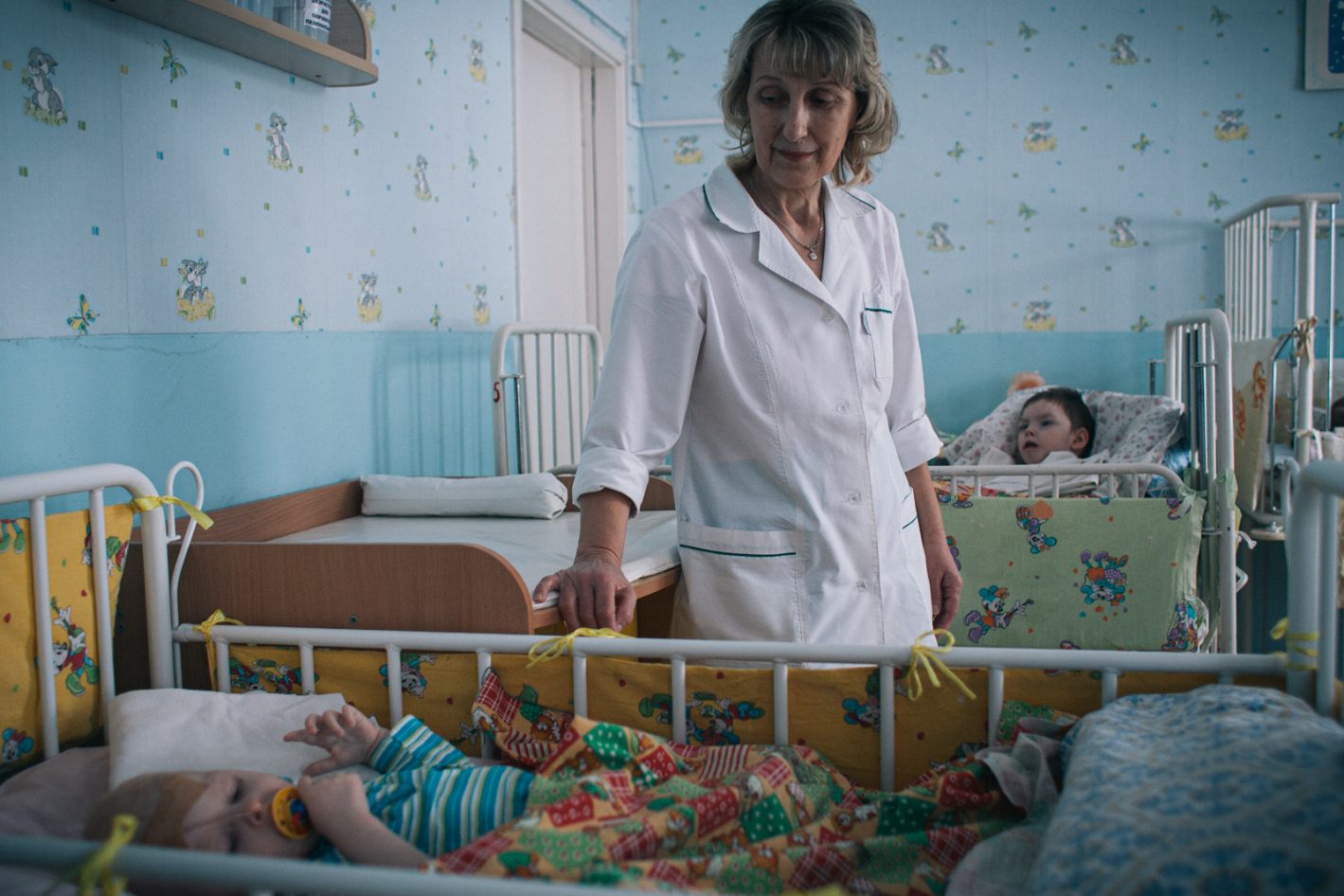
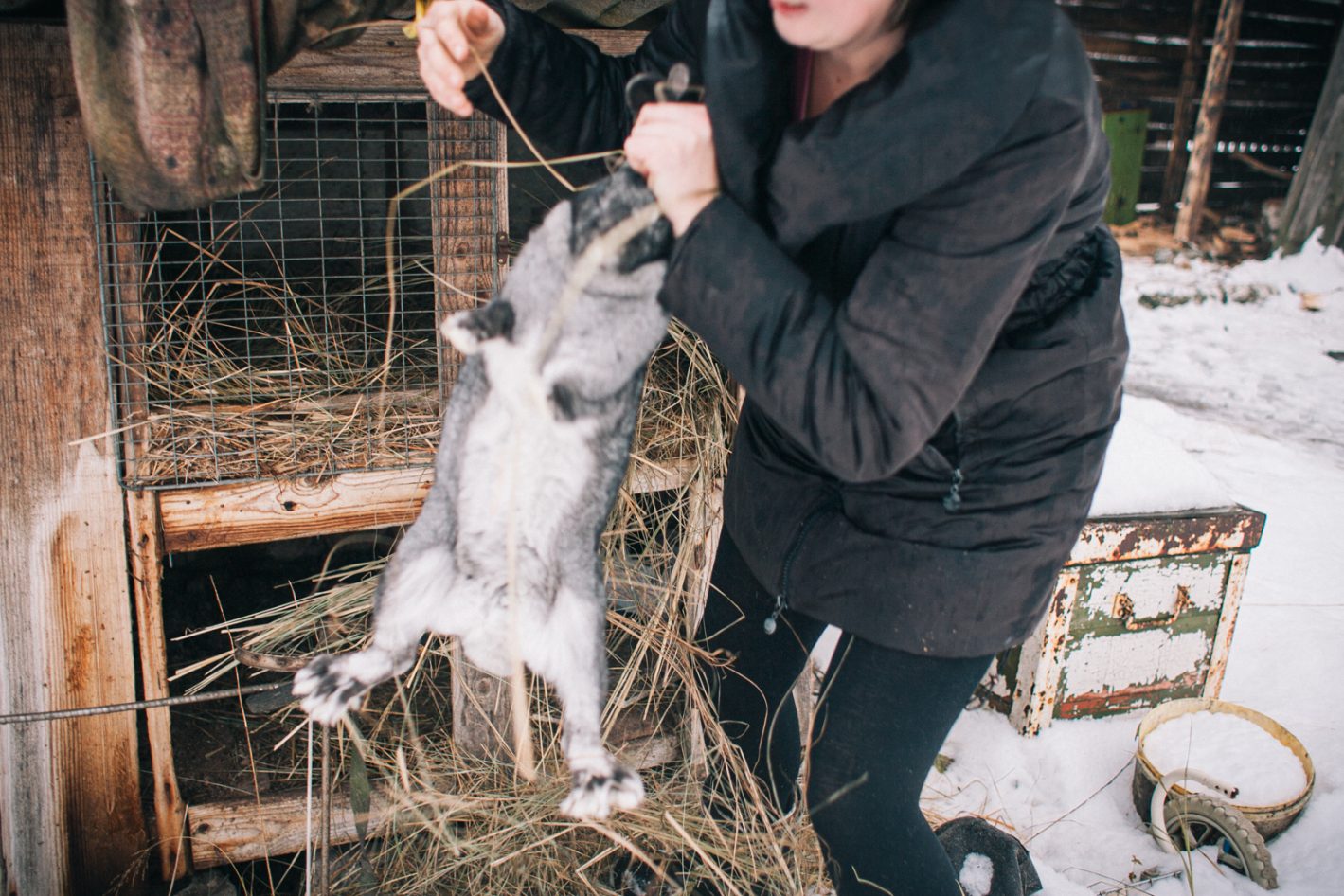
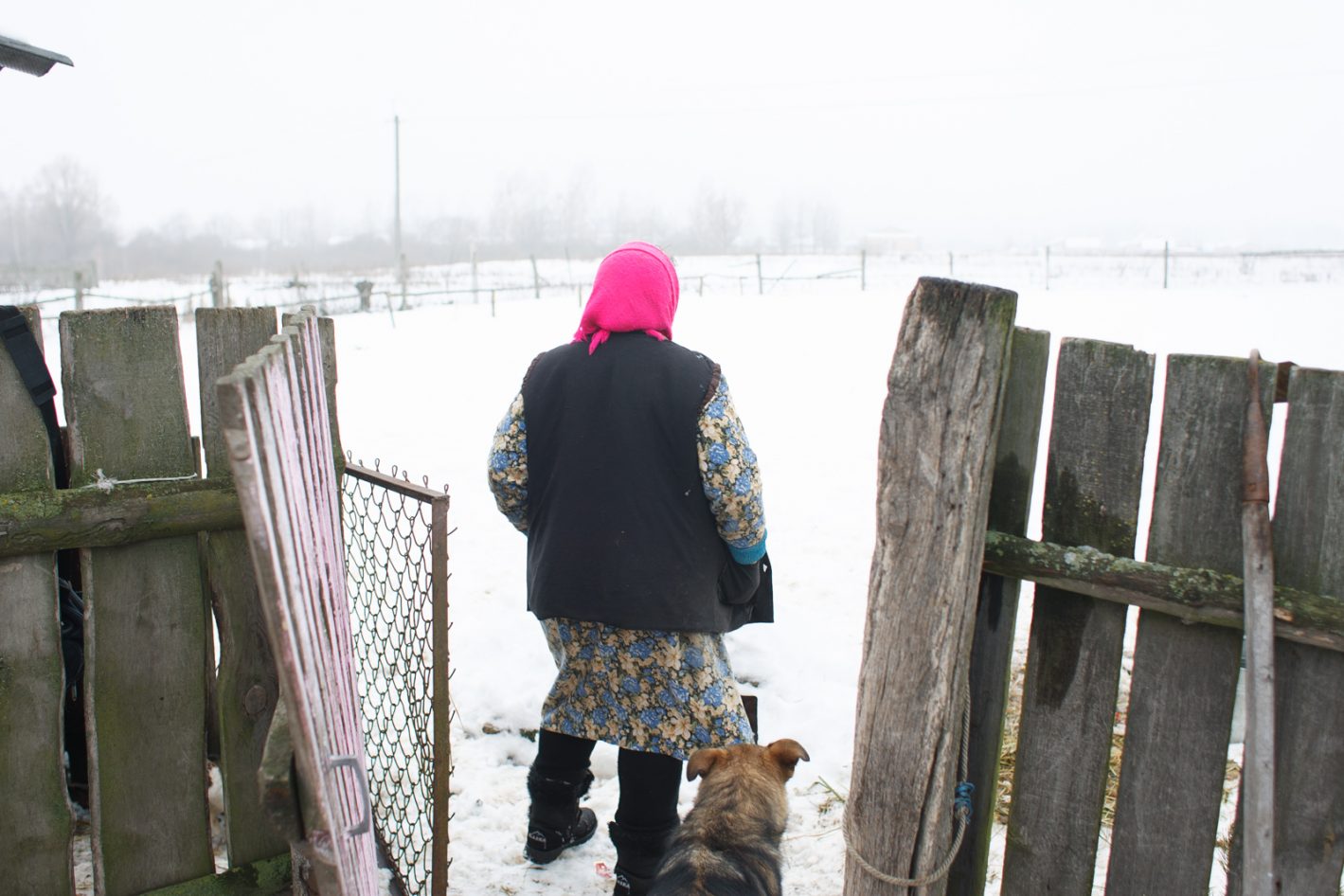
A radioactive atmosphere that cannot be seen—only sensed. Thousands of hectares of land remain contaminated, and the lack of economic resources among most families makes it impossible for them to leave, or even to access food from clean areas. Inevitably, the products they consume most are the ones they grow themselves. Cesium-137 and strontium-90 are absorbed through the roots of their crops, allowing radioactive isotopes to enter the bodies of those who eat them.
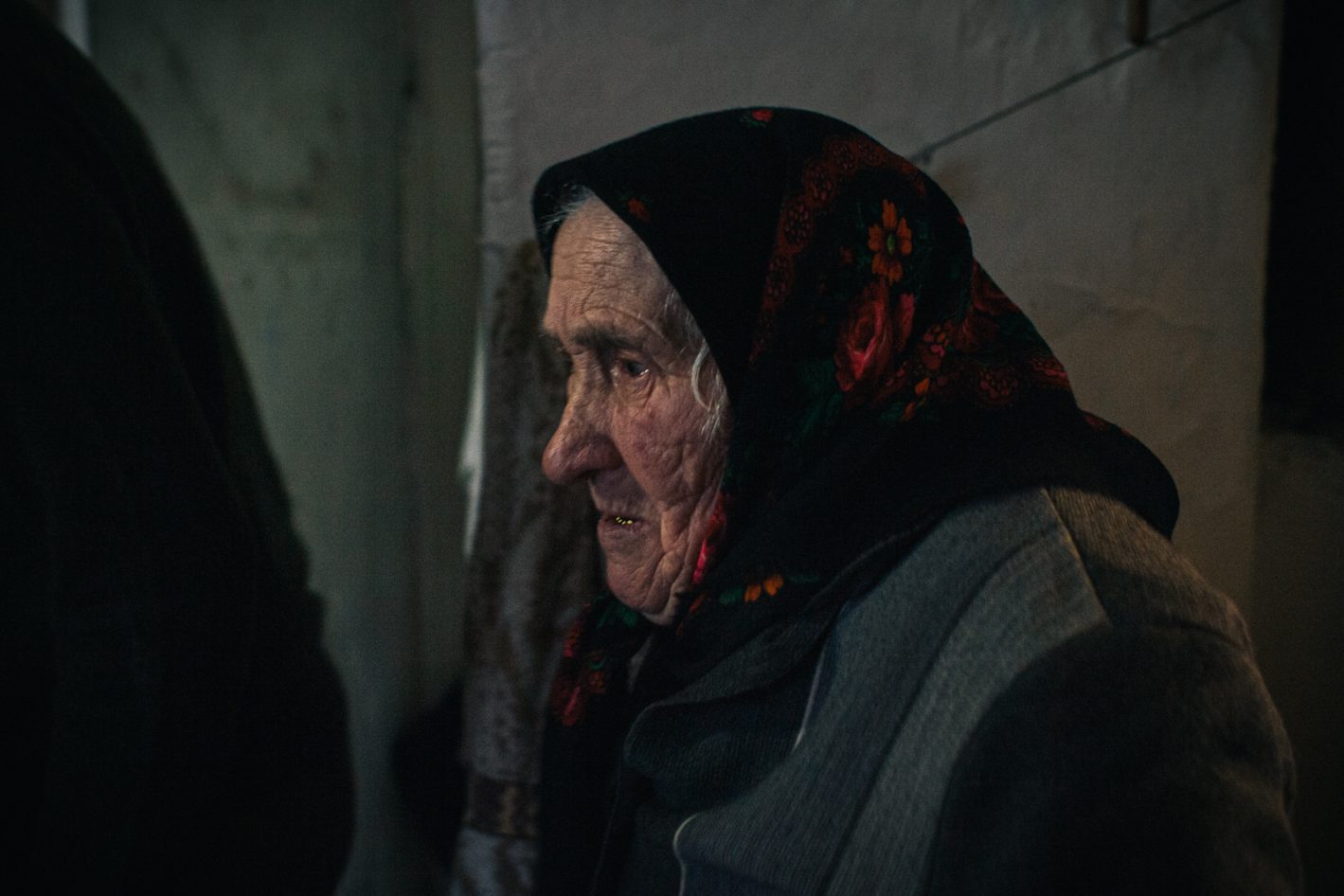
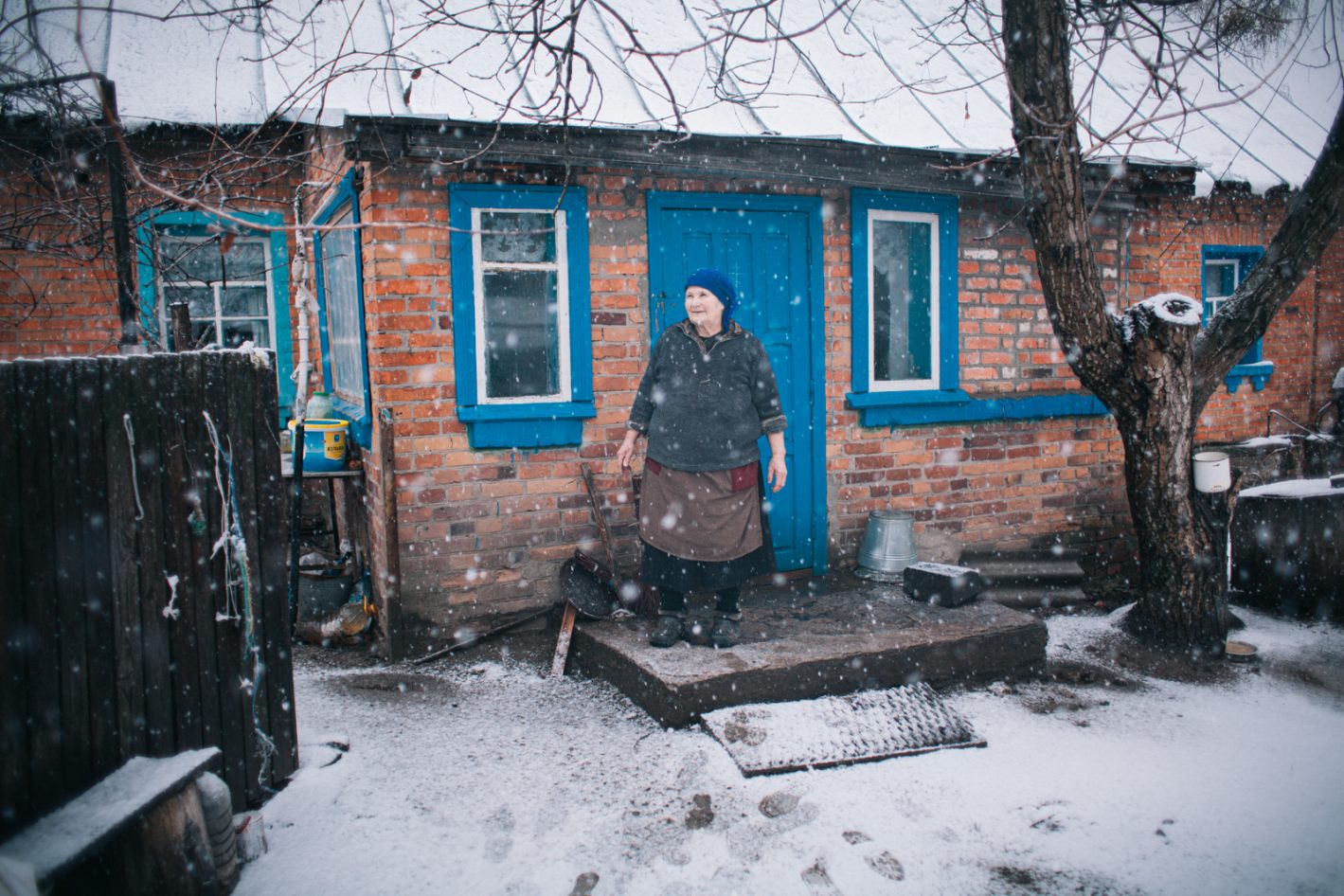
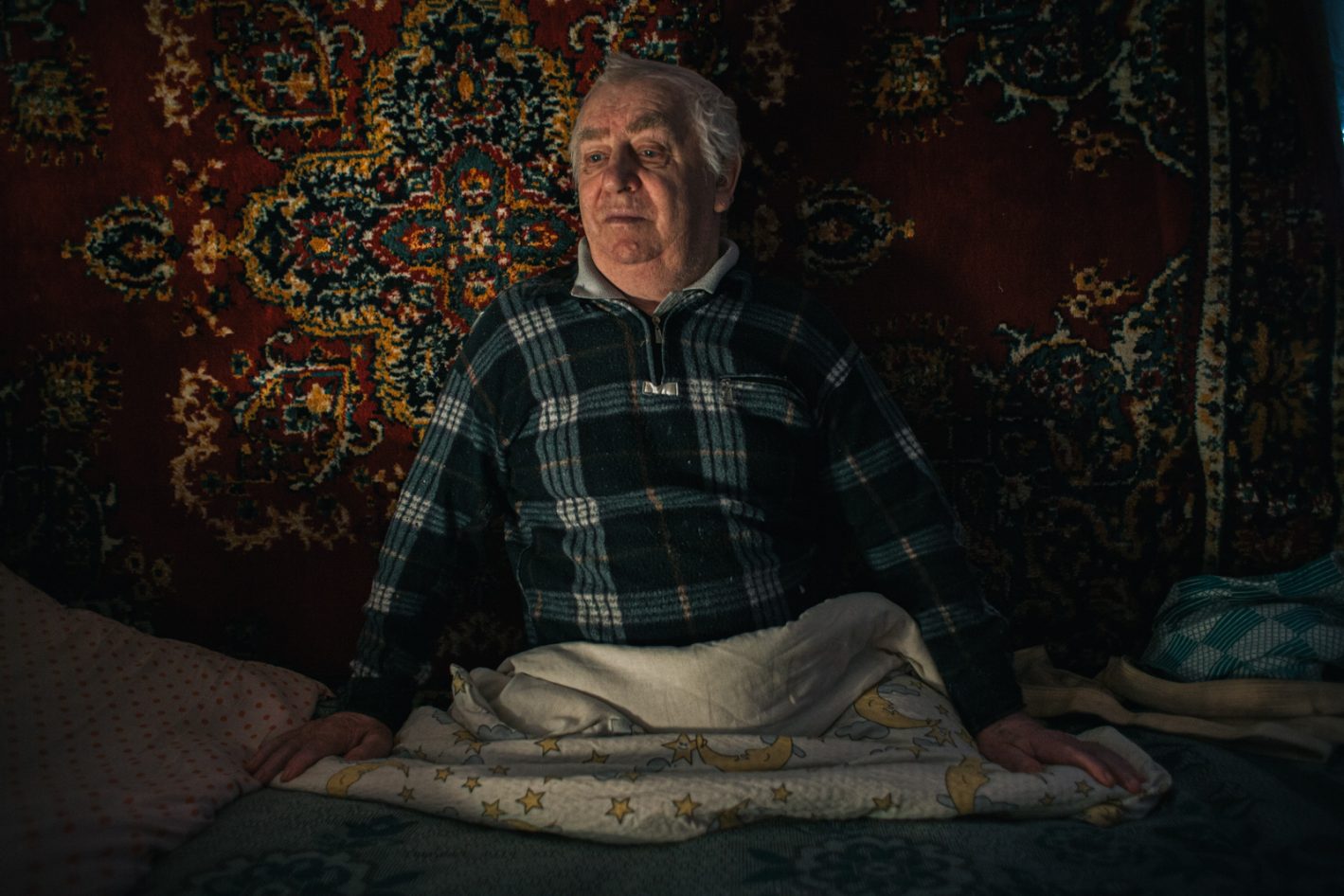
It is a place condemned to feed itself with a “poison” that slowly erodes the lives of its inhabitants—people who, despite everything, continue to live here. “These are our homes, this is our life. We all have to die of something,” some say with a mix of resignation and irony, fully aware that the price of eating in Chernobyl is a slow and silent death.
Yet behind these words lies an ethical dilemma that extends far beyond the borders of the Exclusion Zone. These communities did not choose to inhabit a contaminated landscape; they inherited it. Many lack the economic means, political support, or social infrastructure needed to relocate. Their continued presence is not a sign of acceptance, but of limited alternatives. Survival becomes an act of endurance rather than choice.
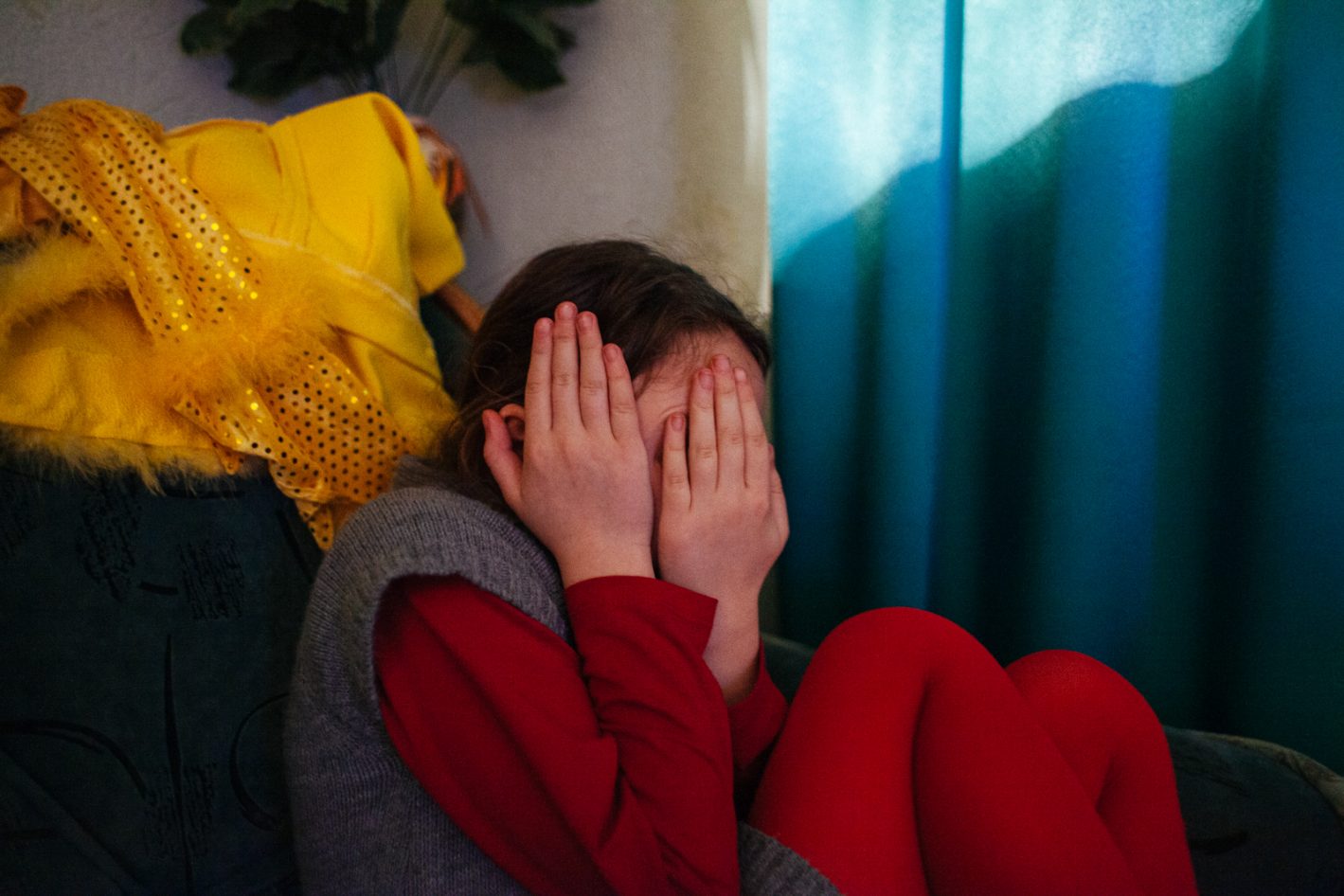
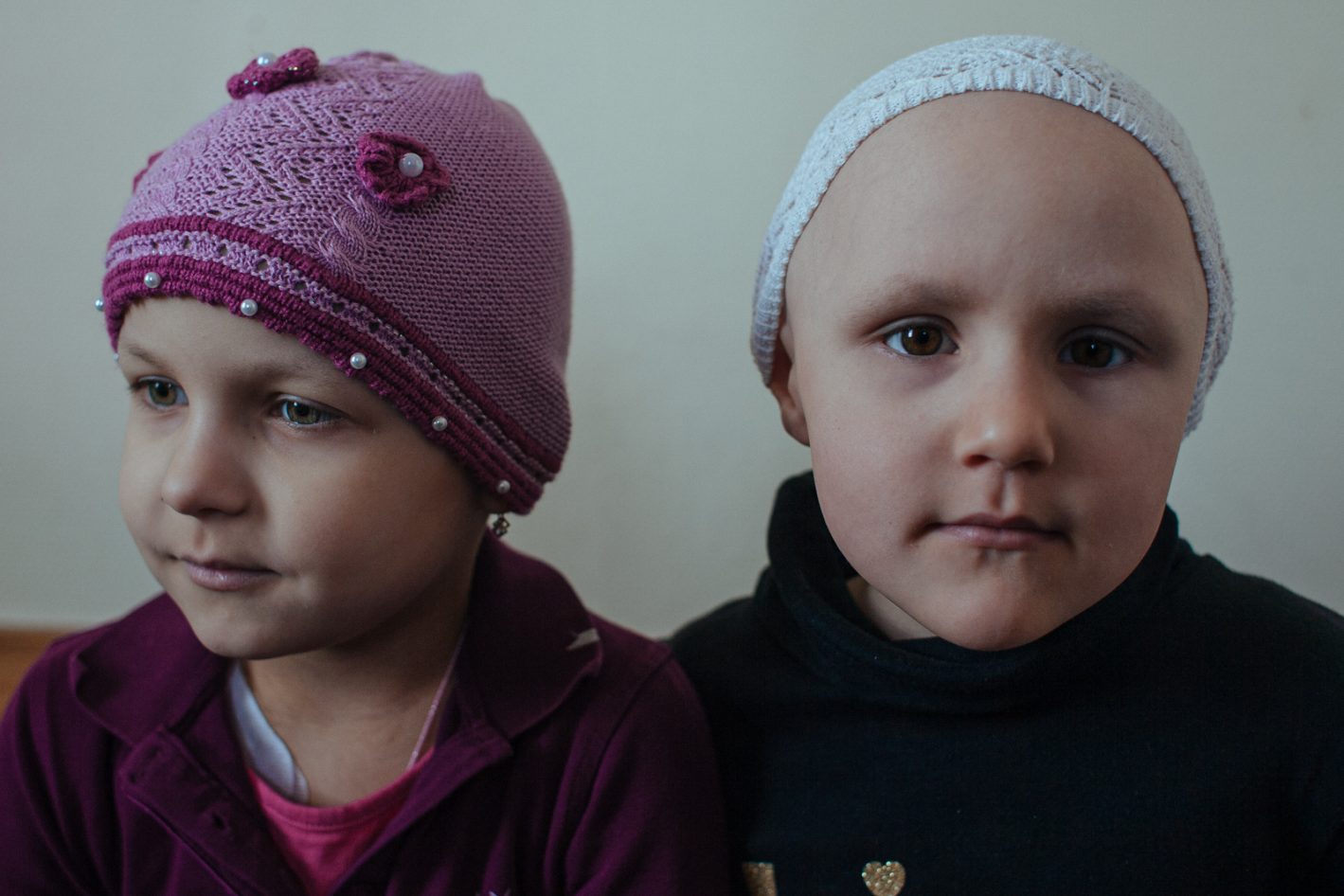
Generations grow up learning to navigate risk as part of daily life. Children play in fields where contamination lingers in the soil; elders cultivate gardens knowing that each harvest carries a trace of the catastrophe. The ethics of responsibility—who caused the disaster, who bears its consequences, and who is expected to live with them—remains unresolved decades later.
And still, life persists. People plant, cook, share meals, celebrate rites of passage, and mourn their dead. Their resilience is undeniable, but it should never be mistaken for immunity. In Chernobyl, the invisible becomes intimate: radiation enters homes, bodies, and memories, shaping a silent legacy that future generations will continue to carry.
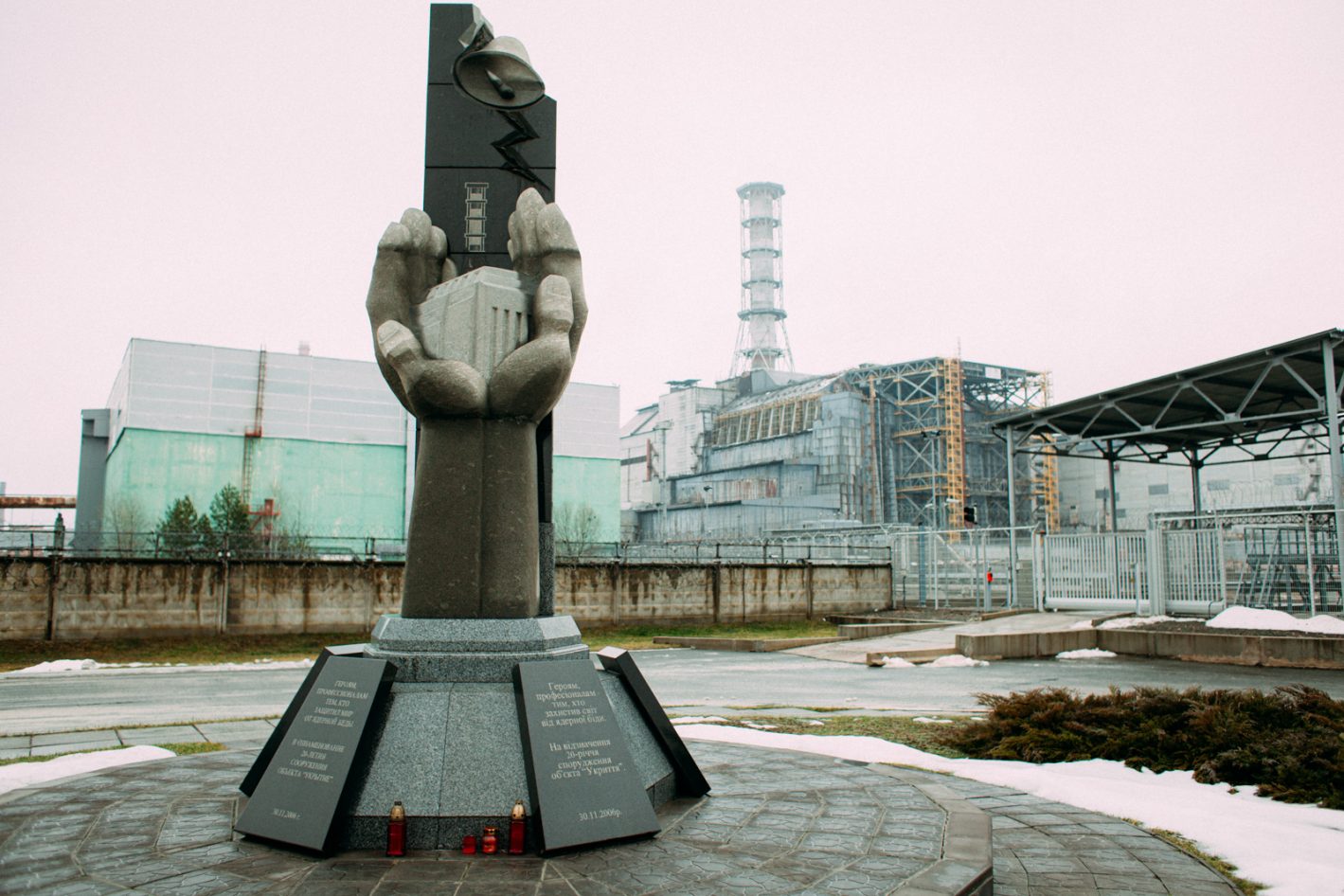
The landscape is quiet, but it is not healed. And those who remain are the living testimony of an event whose effects, both ethical and biological, extend far beyond the moment the clock stopped at 1:24 a.m. on April 26, 1986.